
Date & Location: February 22, 2019 | Kobe, Japan
Venue: The Hyogo Prefectural Museum of Art
 The Kansai Resilience Forum 2019 is an event organised by the Government of Japan in collaboration with The International Academic Forum (IAFOR), which re-examines resilience from interdisciplinary perspectives and paradigms, from the abstract concept to the concrete, with contributions from thought leaders in academia, business and government.
Although Japan-focussed, this event invites comparative and contrastive reflection on the concept and reality of resilience as a positive and necessary trait for survival in individuals and societies, and how it is nurtured through education and training in the preparation for challenges of all kinds.
The one-day invitation-only event will comprise panels on Disaster Management Strategy, Resilience and Society, and Resilience and the Globalising Economy, and will culminate with a special keynote presentation by world renowned architect, Tadao Ando, who designed the event venue, the Hyogo Prefectural Museum of Art, following the Kobe earthquake of 1995. Completed in 2002 the museum is a symbol of regeneration and renewal, and a testament to the resilience of the city.
This event is organised with the kind support of the OSIPP-IAFOR Research Centre, the Osaka School of International Public Policy (OSIPP), Osaka University, Kobe University and the Hyogo Prefectural Museum of Art.
Speakers
Keynote Speaker
-
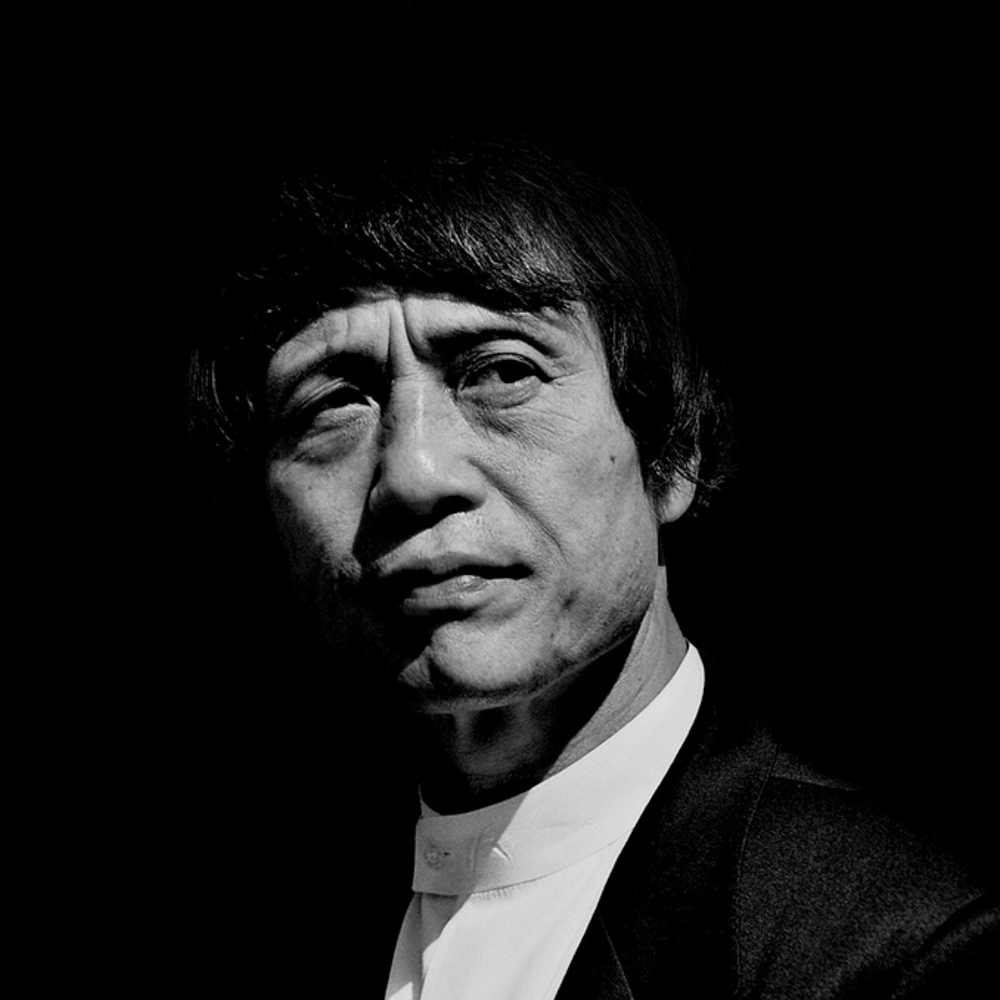
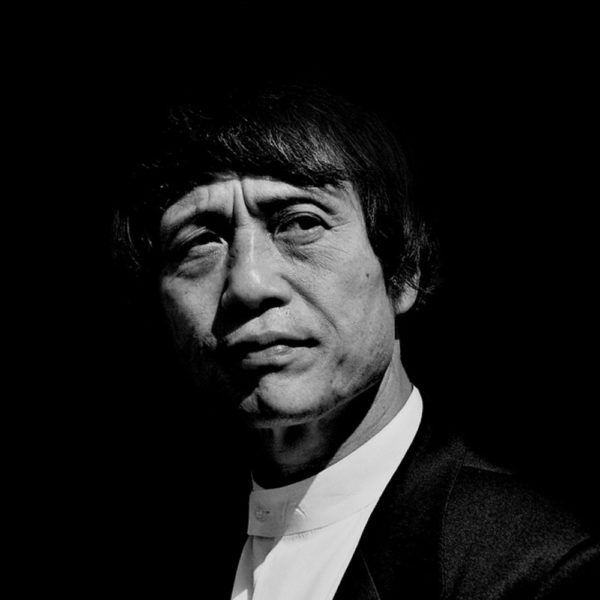 Tadao AndoTadao Ando Architects & Associates, Japan
Panel I: Disaster Risk Reduction Strategy
-
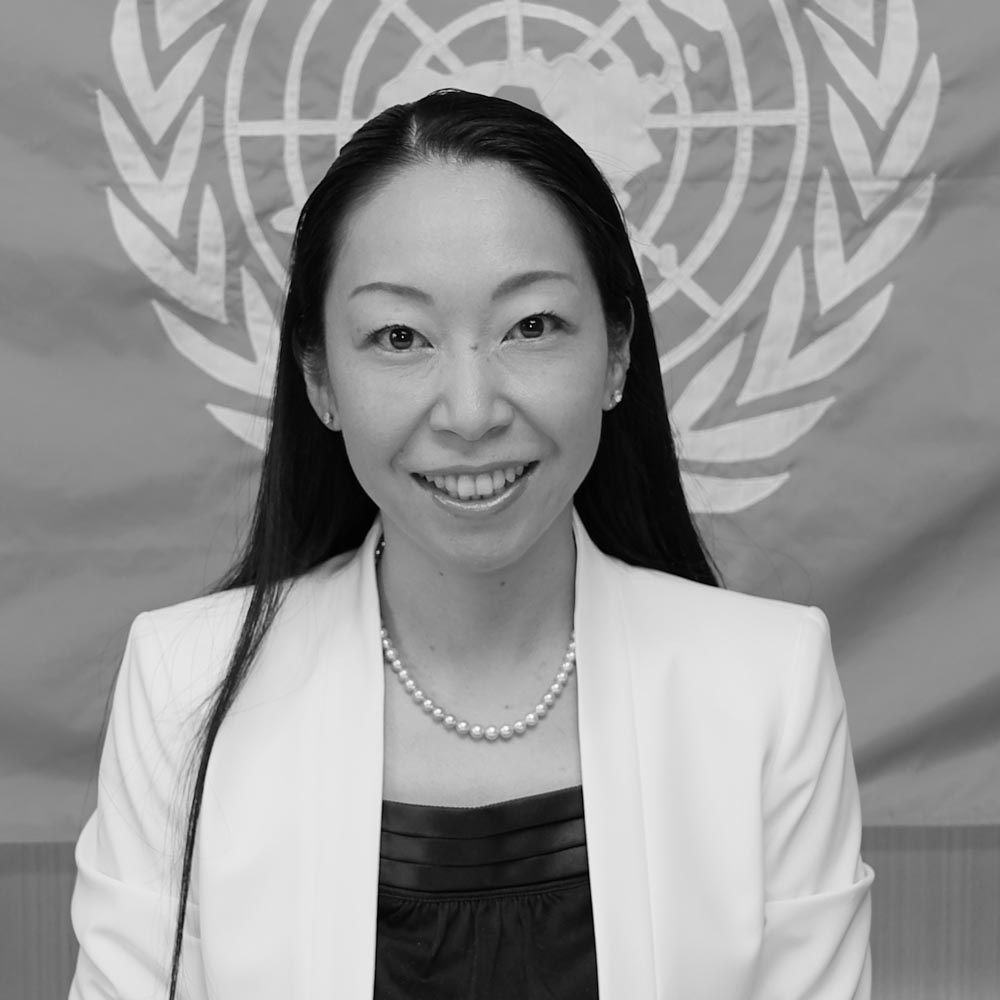
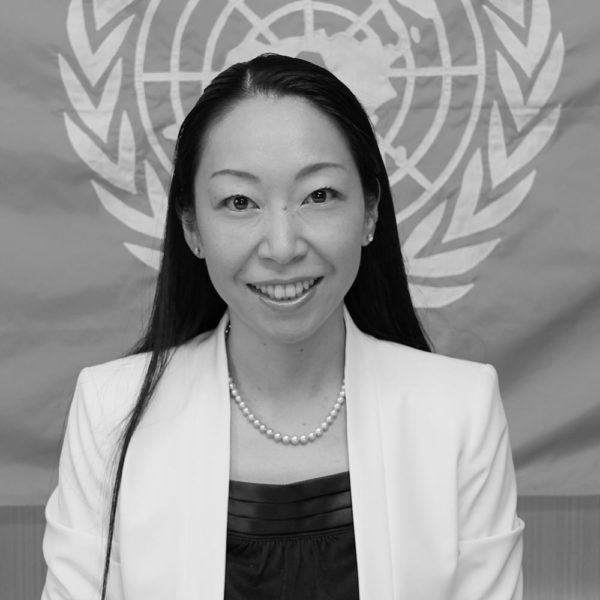 Yuki MatsuokaThe United Nations International Strategy for Disaster Risk Reduction (UNISDR)
-
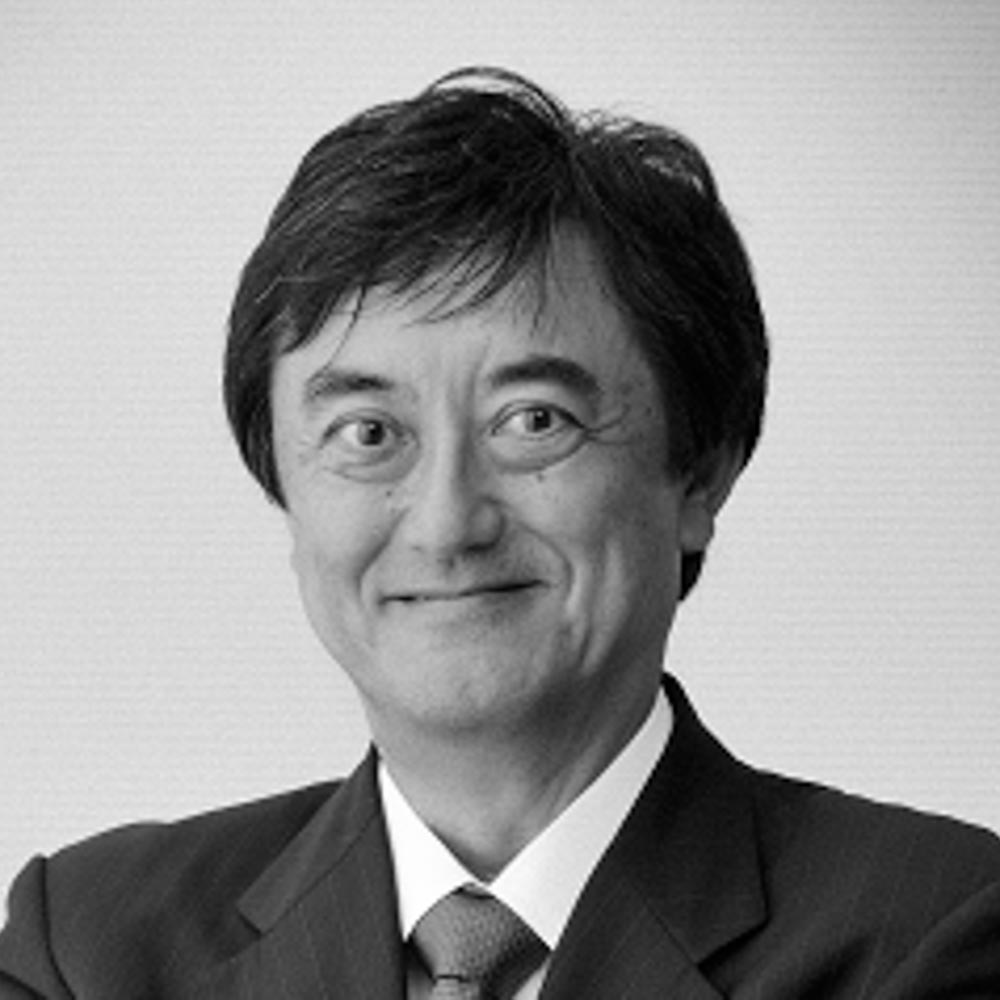
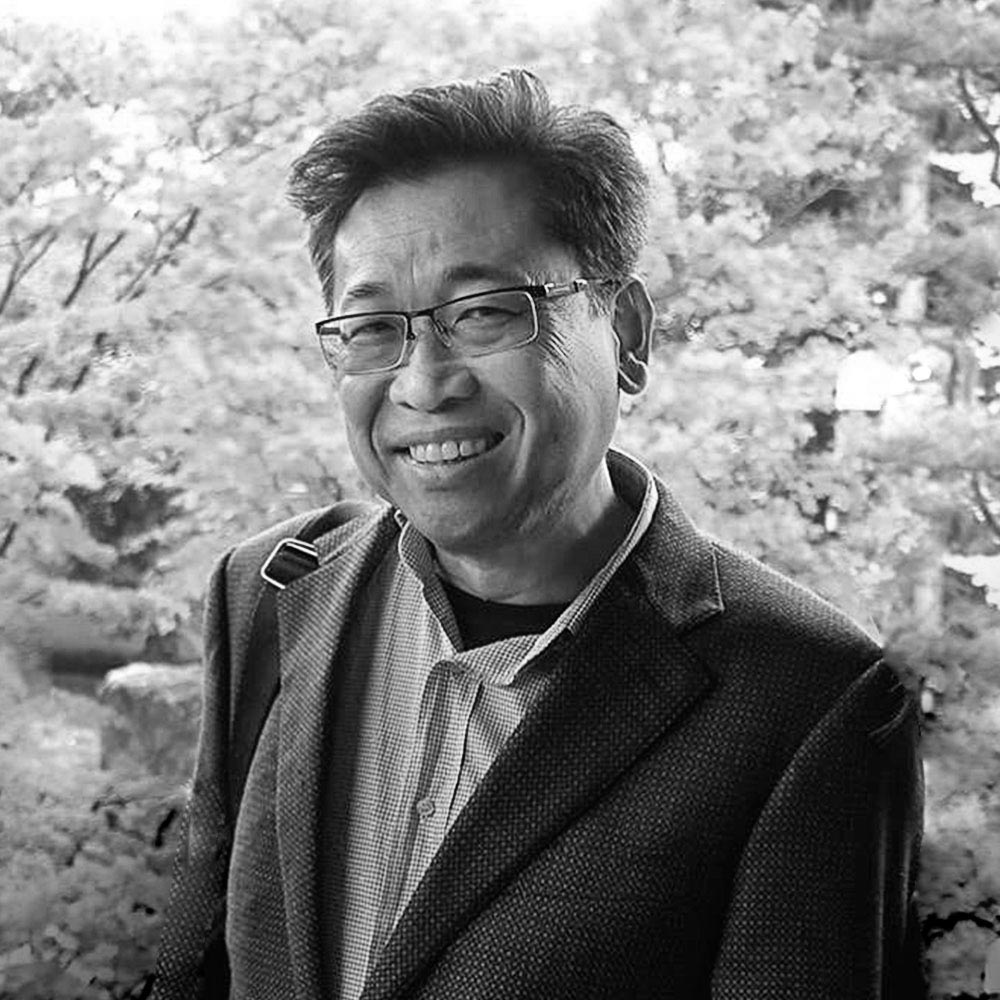
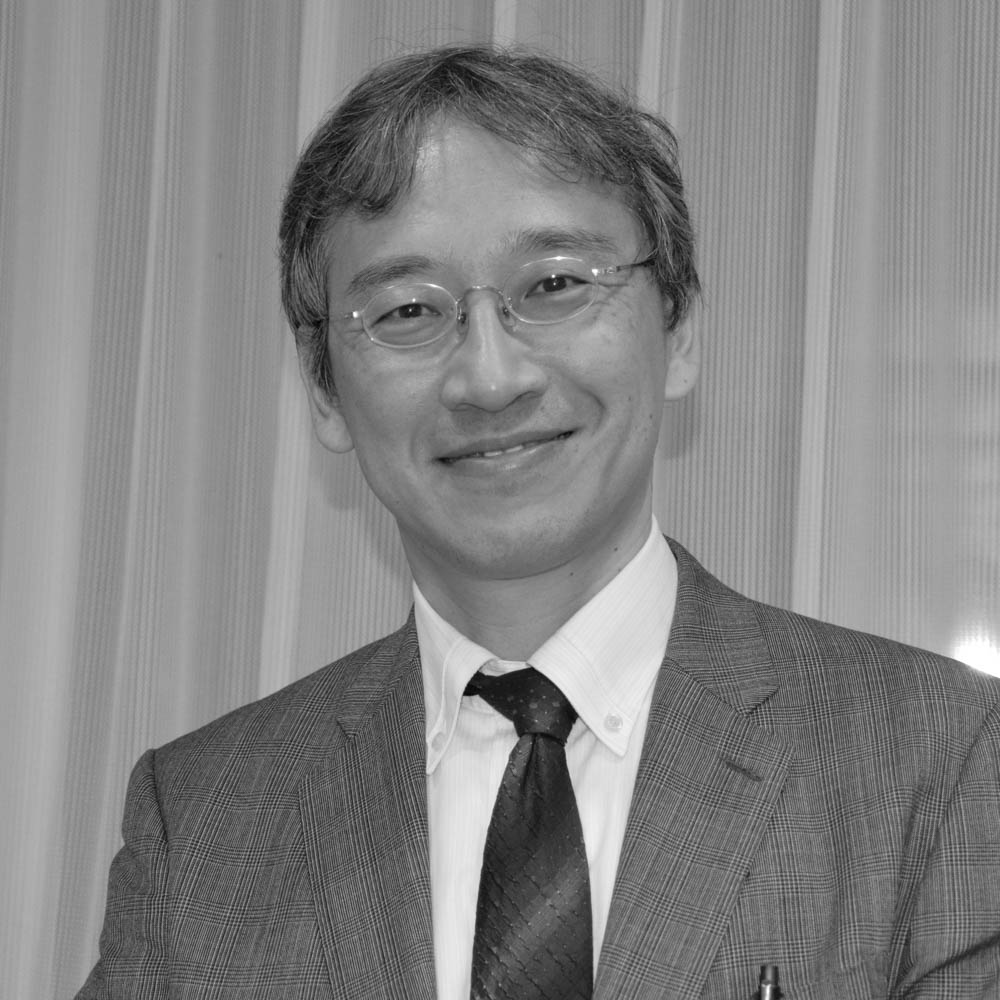
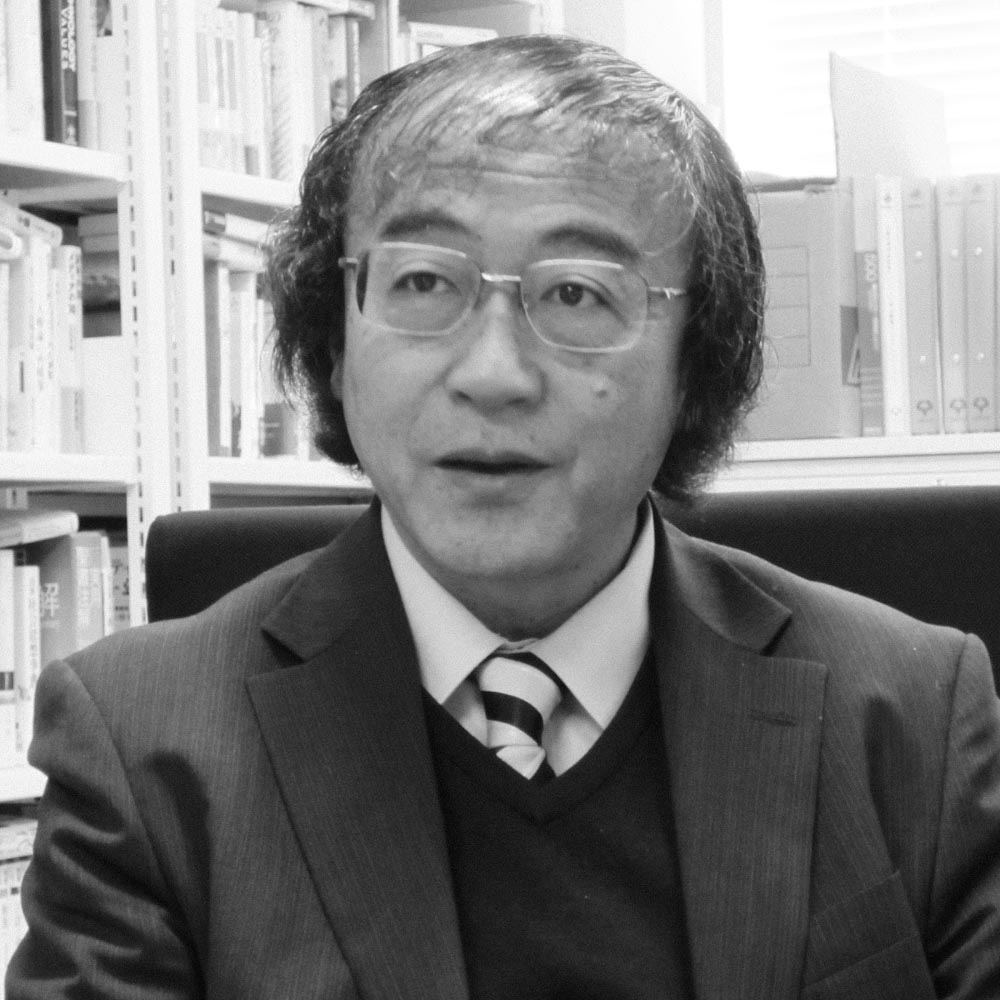
 Shota HattoriKozo Keikaku Engineering, Japan
-
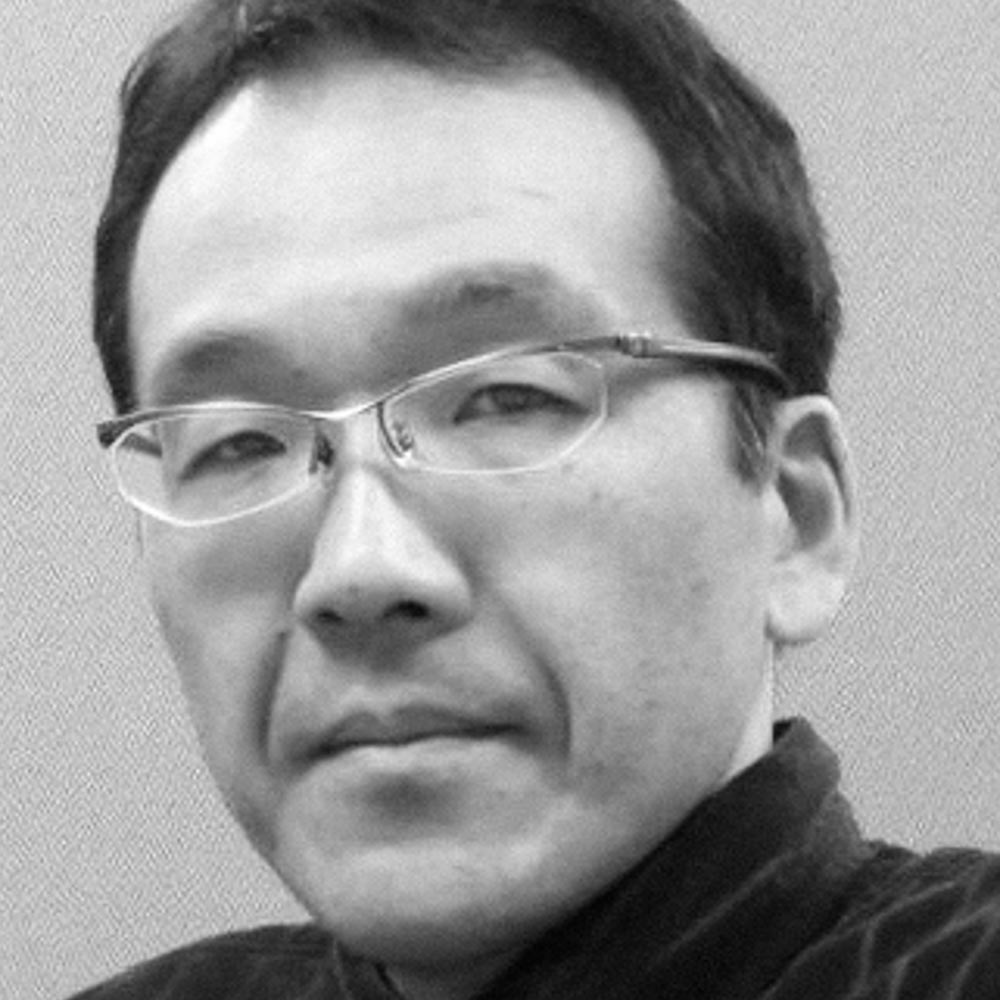
 Satoru OishiKobe University, Japan
-
 Ljiljana MarkovicUniversity of Belgrade, Serbia
-
 Peng Er LamNational University of Singapore, Singapore
-
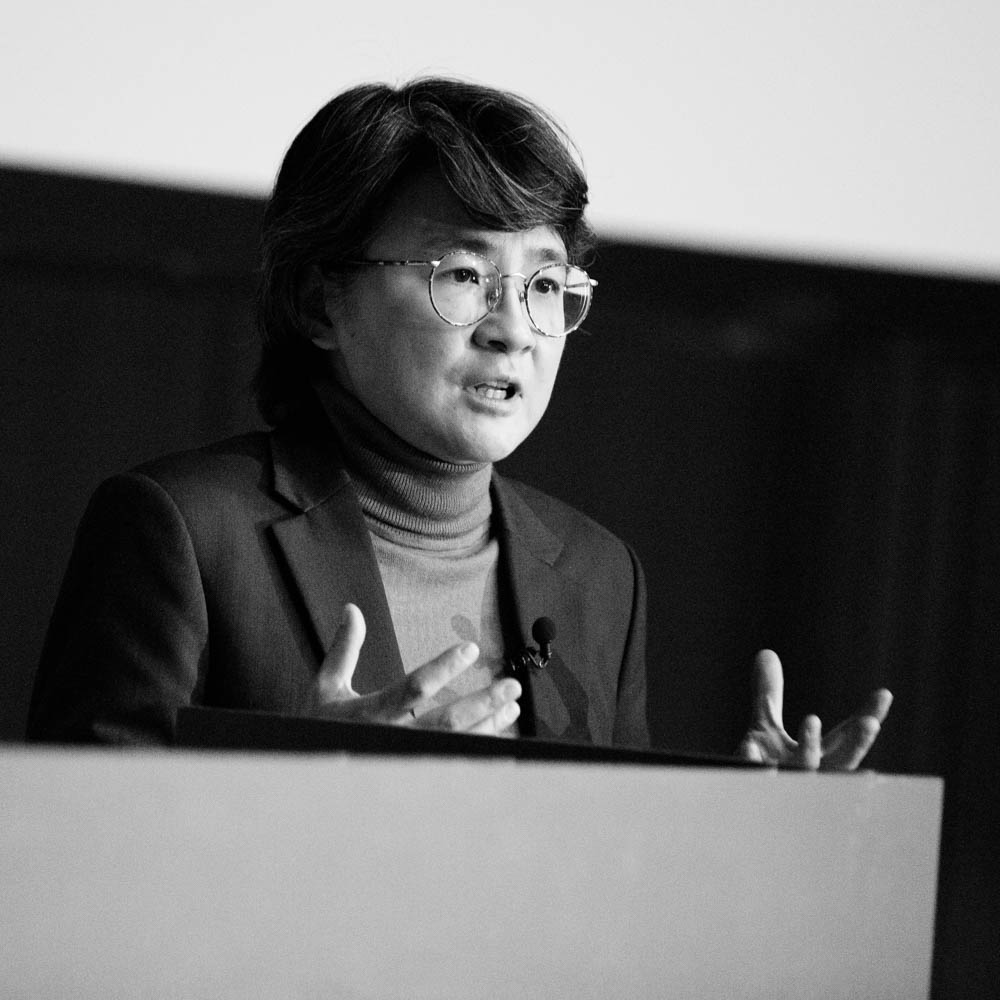 Haruko SatohOSIPP, Osaka University, Japan
Panel II: Resilience and Society
-
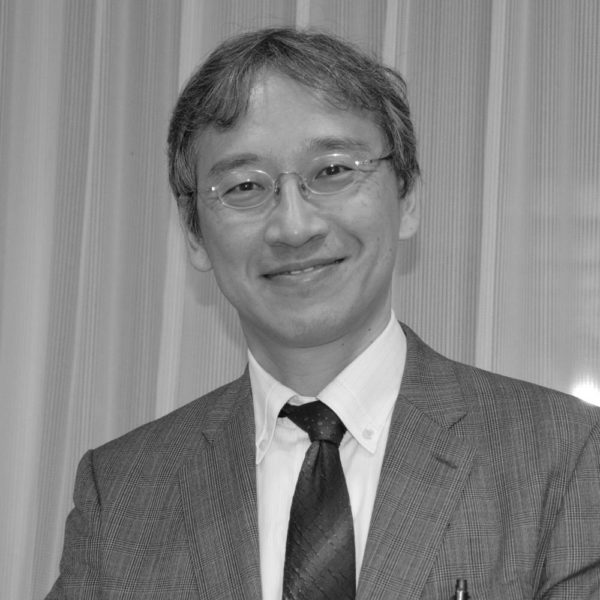 Hiroshi OkumuraKobe University, Japan
-
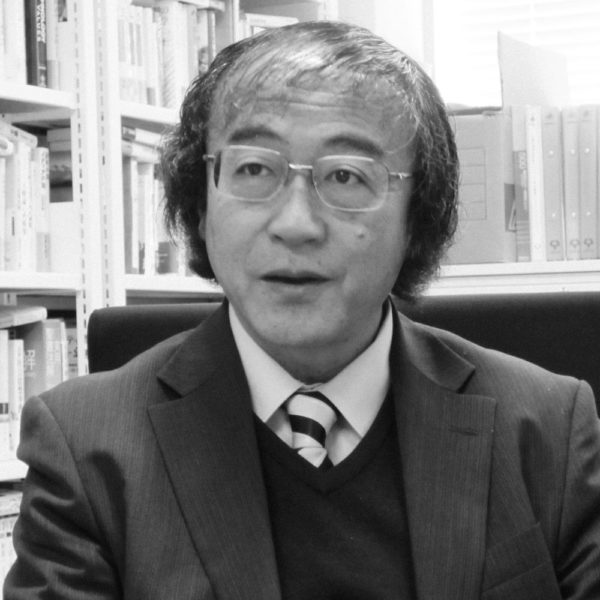 Tomohide AtsumiOsaka University, Japan
-
 Hidenobu SumiokaHiroshi Ishiguro Laboratory, ATR, Japan
-
 Lowell SheppardHOPE International Development Agency, Japan
-
 Monty P. SatiadarmaTarumanagara University, Indonesia
-
 Richard Lloyd ParryThe Times (London), Japan
Panel III: Resilience and the Globalising Economy
-
 Tasuku KuwabaraMcKinsey & Company, Japan
-
 Ray KleinTekinvest KK, Japan
-
 Takenosuke YasufukuKobe Shushinkan Breweries, Japan
-
 Atsushi IizukaKobe University/RIKEN, Japan
-
 Thomas MayrhoferIntercontinental Group, Japan
-
 Brad GlossermanTama University, Japan
Special Keynote Presentation: Tadao Ando
-
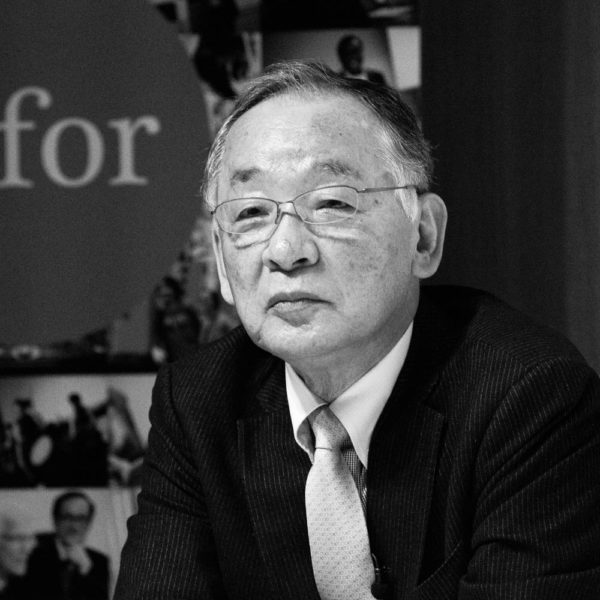 Yutaka MinoHyogo Prefectural Museum of Art, Japan
-
Tadao AndoTadao Ando Architects & Associates, Japan
Welcome Addresses
-
 Tomoaki IshigakiPrime Minister's Office, Government of Japan
-
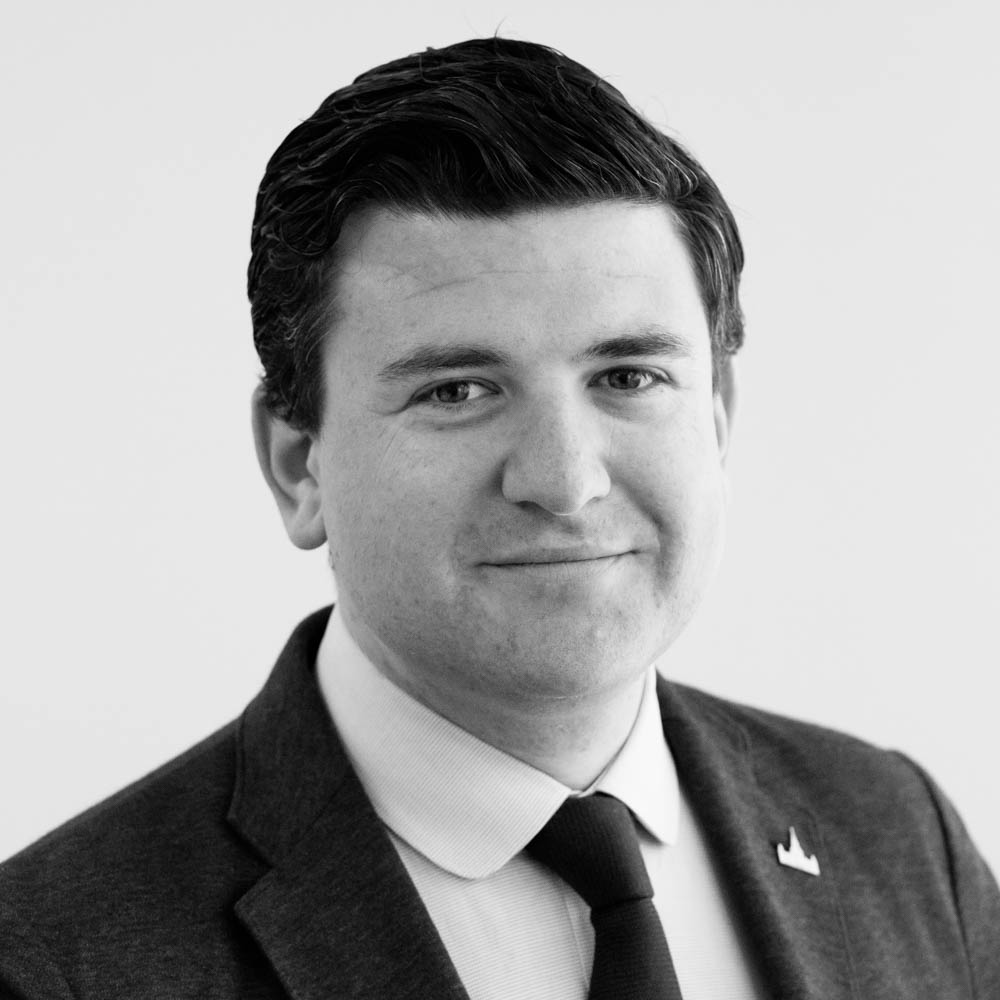 Joseph HaldaneIAFOR, Japan
On Resilience in Japan: Managing Disaster Risks
When struck with disaster caused by natural hazards, such as earthquakes and typhoons, the Japanese have been shown to have remarkable resilience. In the aftermath of Typhoon Jebi in September that closed down Kansai International Airport due to extensive flooding and damage to the bridge connecting the airport to the mainland, the airport was fully operational and back to business as usual within weeks. The Kansai area was a disaster zone that summer, still recovering from flooding and an earthquake from only a few months earlier, and yet the people were determined to carry on as usual. This ability to recover quickly from setbacks and crises may be called a trait — a thread that weaves through the narrative of Japan’s modern history. Recovering from the ashes of war devastation, three massive earthquakes that flattened Tokyo (1923), Kobe (1995) and the entire Pacific coastal regions of Tohoku (2011), not to mention many more earthquakes that hit other cities, such as Niigata, Kumamoto, and more recently in Hokkaido, the efforts to recover are an intrinsic part of coping with numerous personal tragedies.
Japan is faced with what has been described as a demographic disaster as it is the first country to undergo a peacetime population decline. It now has the oldest population in the world. All eyes are on Japan as it has the dubious honour of leading the world. How it is able to cope will provide best practices for other countries facing similar demographic challenges.
There are other crises and calamities that set all of us back, whatever our nationality and wherever we are, as part of the international system that connects countries, businesses and peoples. While trying to remain open and connected, the compulsion to close up borders and control the flow of peoples, information and goods is also part of world politics today. Japan’s modern history is also a story of shifting and adjusting to the dramatically changing outside world, incrementally but nevertheless changing as a way of overcoming the challenges of modernity. It is not resistant to change, but perhaps resilient to the changes that come its way.
The Sendai Framework for Disaster Risk Reduction 2015-2030 was adopted by the UN Member States and endorsed by the UN General Assembly. The Sendai Framework recognizes that the State has the primary responsibility to reduce disaster risk, but that responsibility should be shared with others including local governments, the private sector, civil society, media, academia, scientific and research institutions. The Sendai Framework also advocates for an inclusive approach to disaster risk reduction. Women, children, people with disabilities, and the elderly are all actors for disaster risk reduction, not just vulnerable people.
This Forum on “Resilience” is themed around the ways Japanese society as a whole demonstrates this capacity to overcome, as a reflection of Japanese ways of doing things that may contribute to building resilience in other societies around the world.
In Support of the United Nations Sustainable Development Goals

Media Partner